

Plankton and marine microbes
The cells too small to see that carry out about half of Earth's photosynthesis, the spring bloom, the microbial loop, and the nutrient cycles microbes run.
Articles
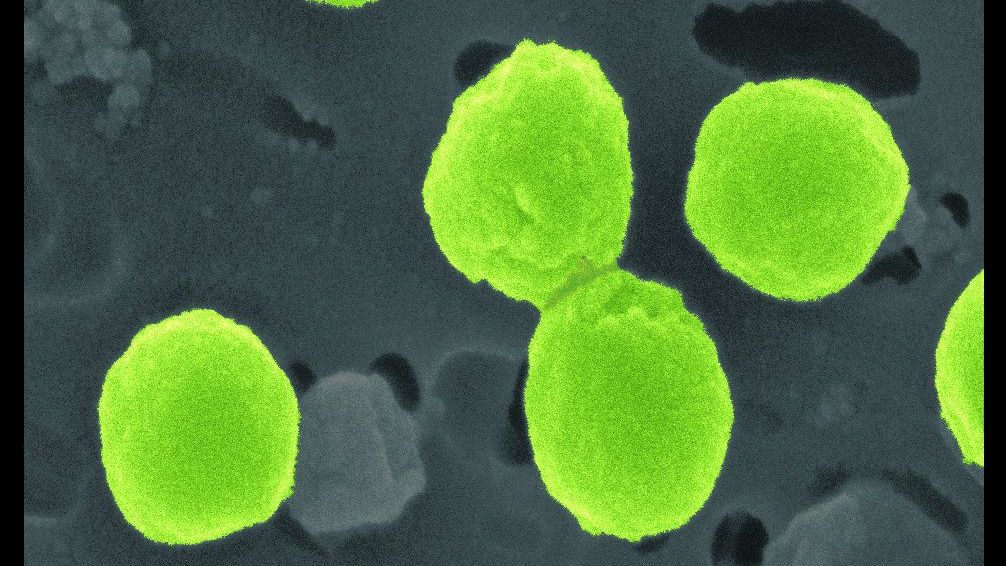
How the ocean's most abundant photosynthetic cell went unnoticed until 1988
A cell too small for a microscope and too dim for a net, found on a research cruise with an instrument built to count blood cells. There are about three thousand trillion trillion of them.
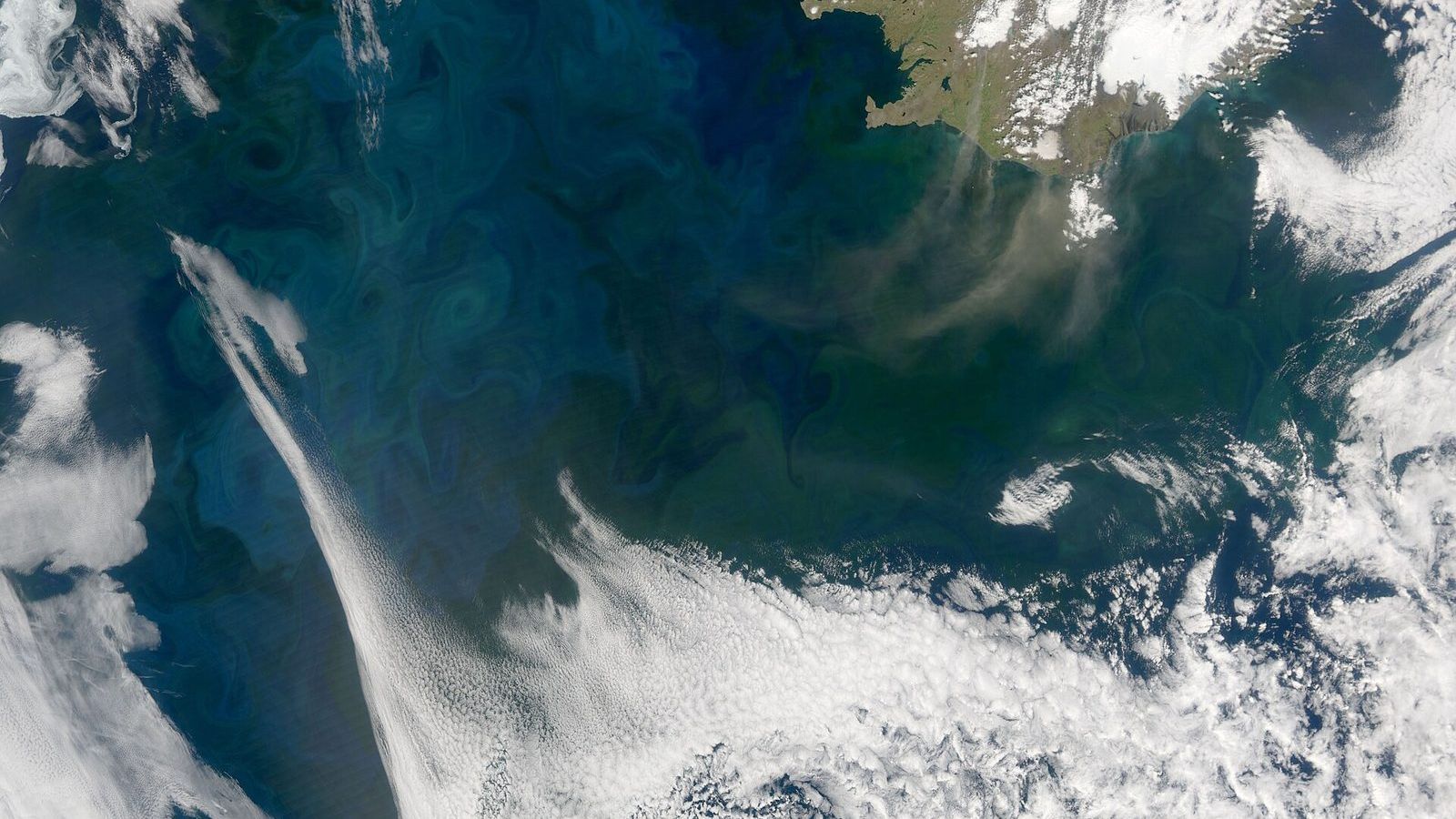
Why the North Atlantic turns green every spring
Every year between March and June a bloom of phytoplankton sweeps north across the Atlantic, visible from space. The classic explanation dates from 1953. A newer one says the bloom begins in the dark of winter.

How deep does sunlight go in the sea?
In the clearest ocean water one per cent of the surface light is left at about 115 metres. In a muddy estuary it is gone within five. One law covers both cases, and it takes a single number to apply it.