

Marine Biology Masterclass Blog
Explanations, background, and advice for curious students.
Latest articles
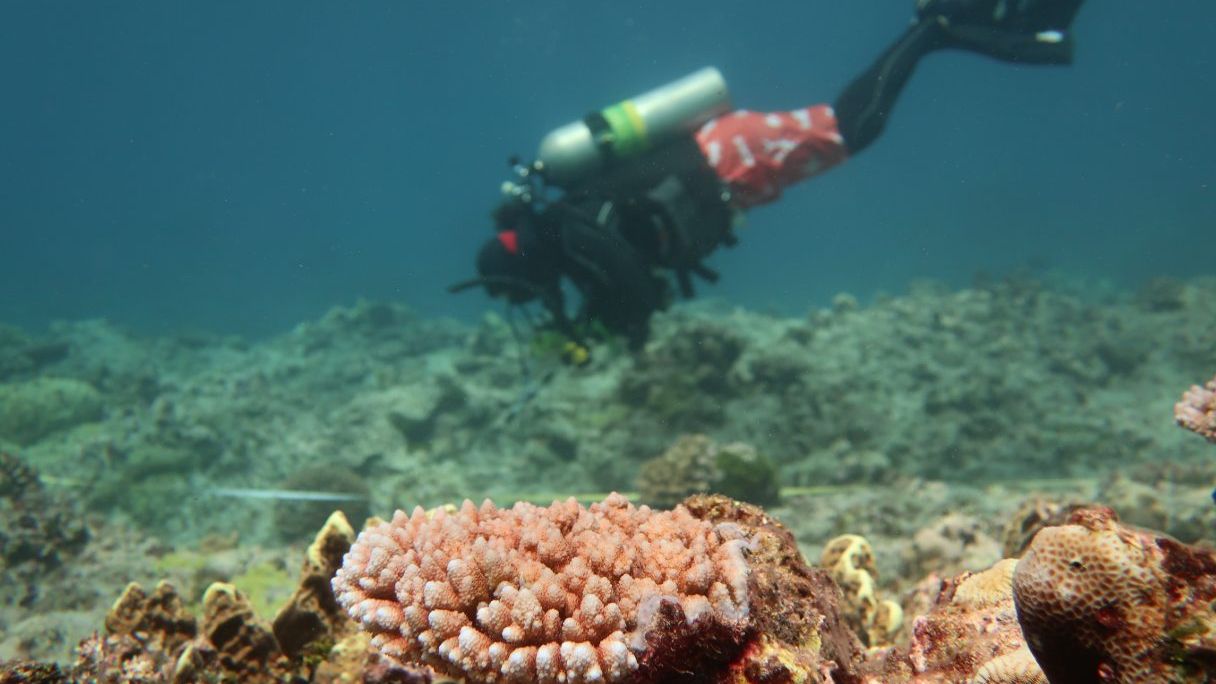
What you can do with a marine biology degree
The jobs, how much of each is spent at sea, in the laboratory, and at a computer, the skills that get people hired, and honest numbers on how many graduates stay in research.
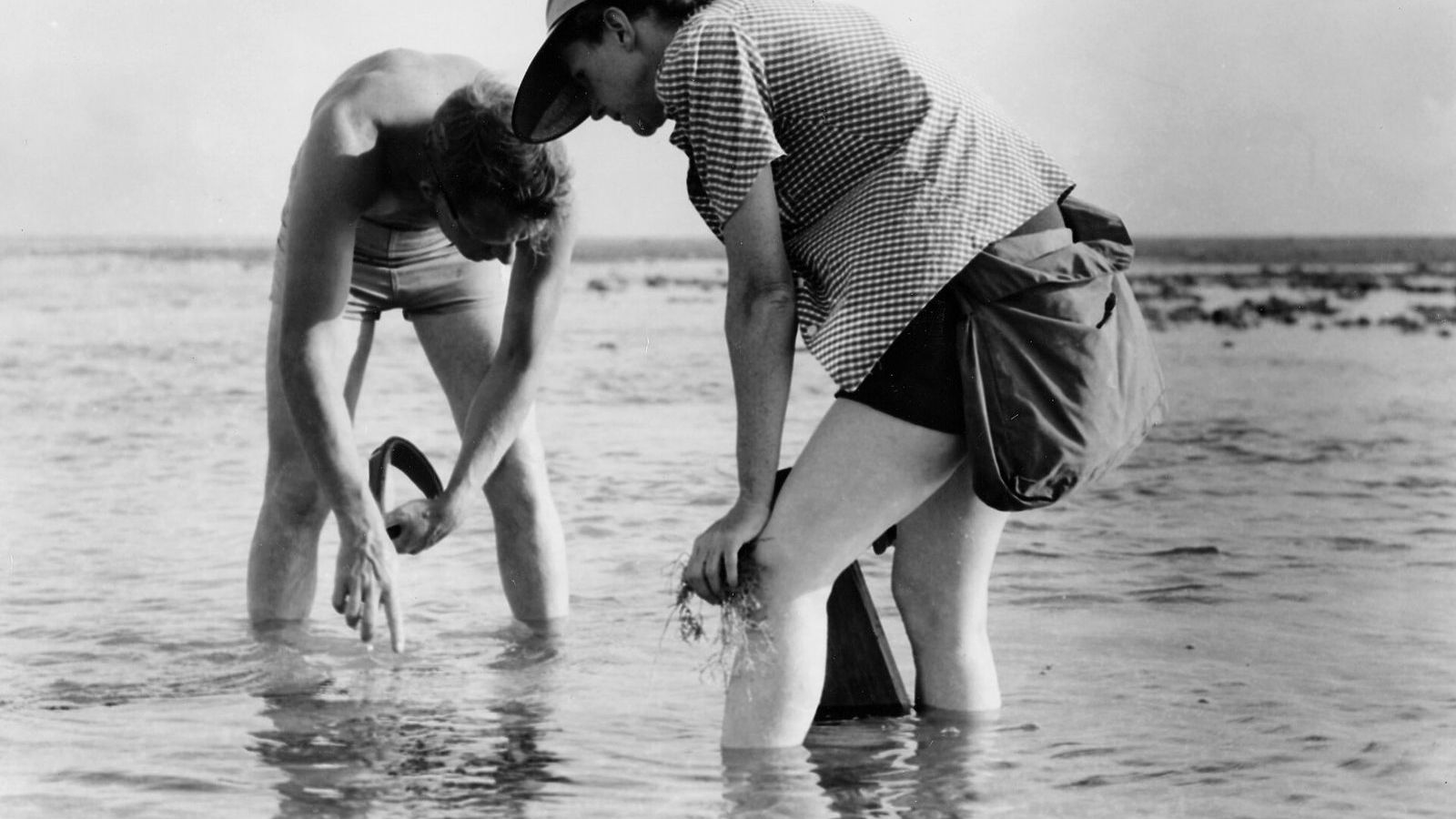
How to read a marine biology paper as a beginner
Abstract, figures, methods, and the places where the uncertainty hides, worked through on one open-access paper that the masterclass uses, plus where to find papers you can read for free.
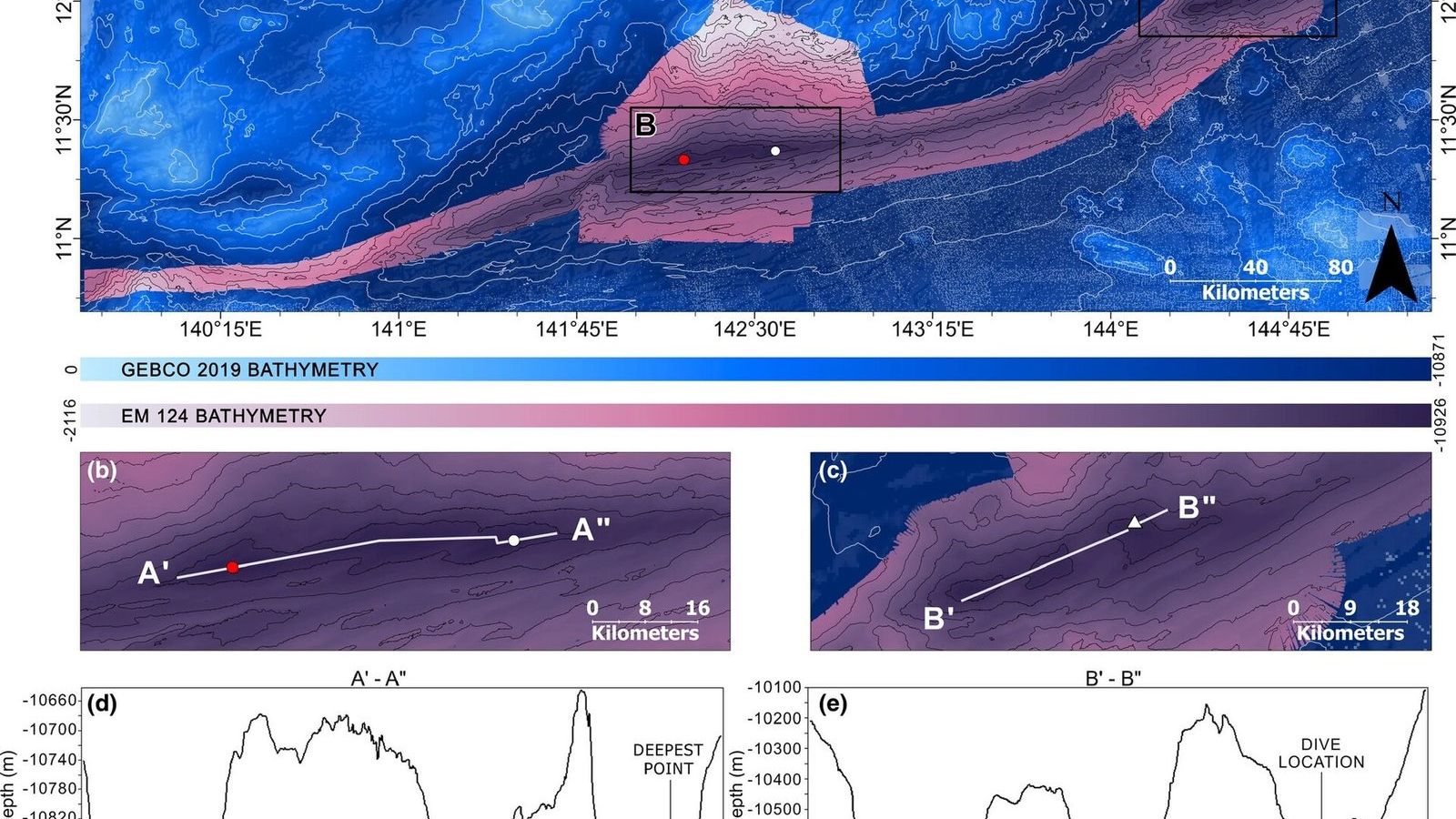
How much of the seafloor have we mapped?
A little over a quarter of the ocean floor has been measured by ship-borne sonar. The rest is known only from satellites, at a resolution that would miss a mountain the size of Snowdon.
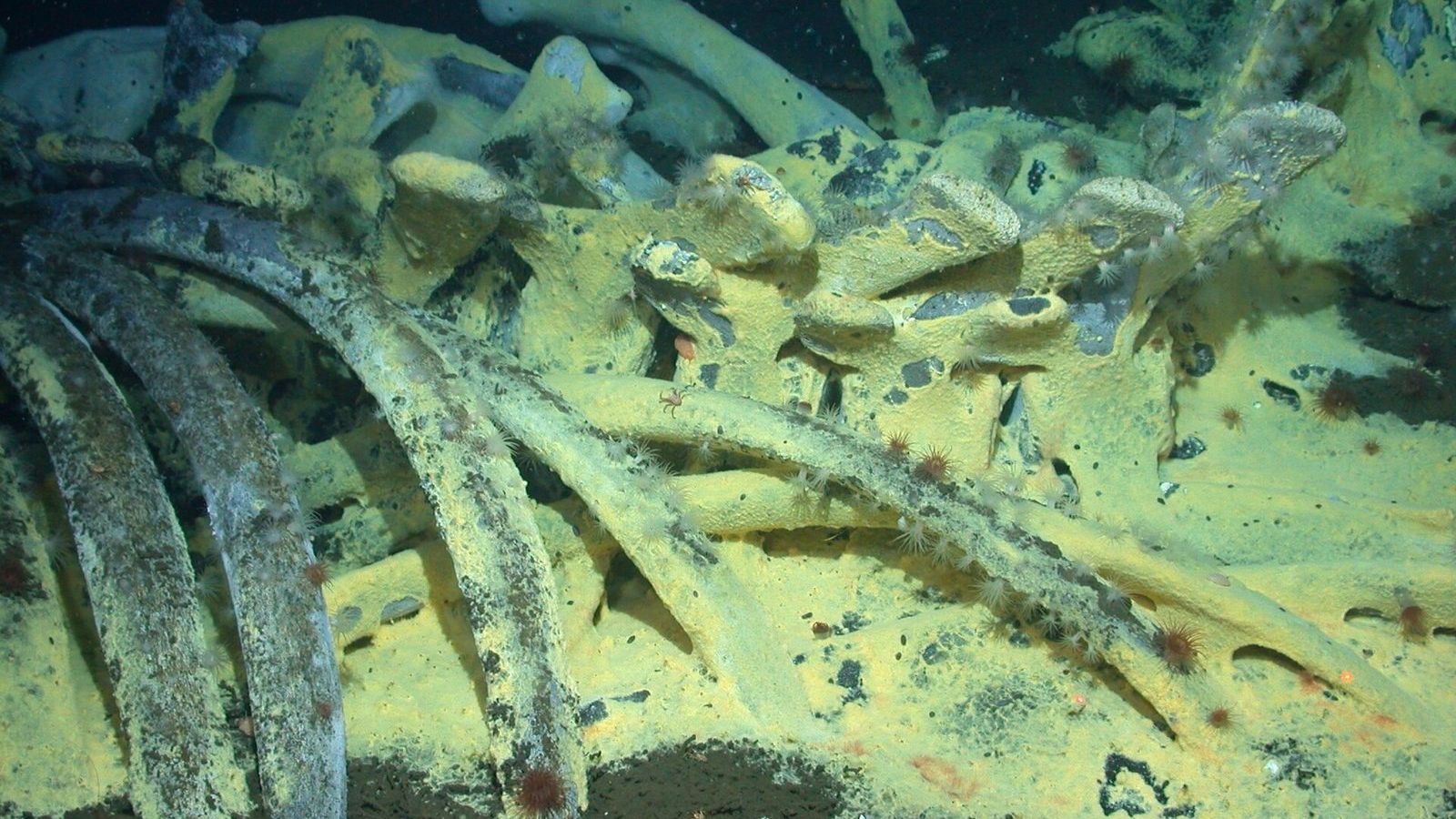
What a dead whale does for the deep sea
A whale carcass on the abyssal seafloor feeds a community for decades, in three stages, and it is home to a worm with no mouth that was only discovered in 2002.
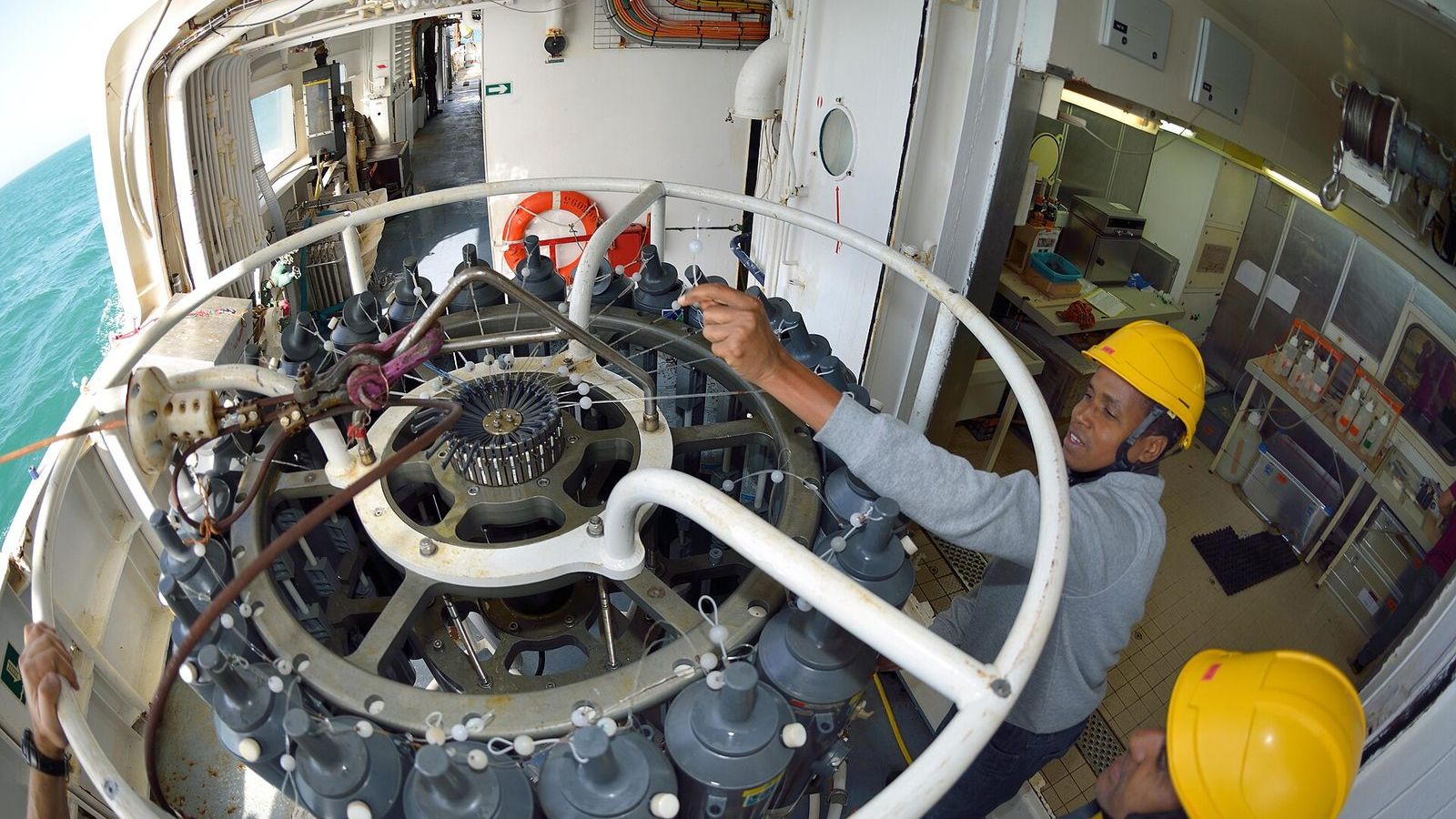
Ten numbers every marine biology student should know
Marine biology has few equations and many measured facts. These ten are the ones a working marine biologist carries in their head and uses to judge every other number.
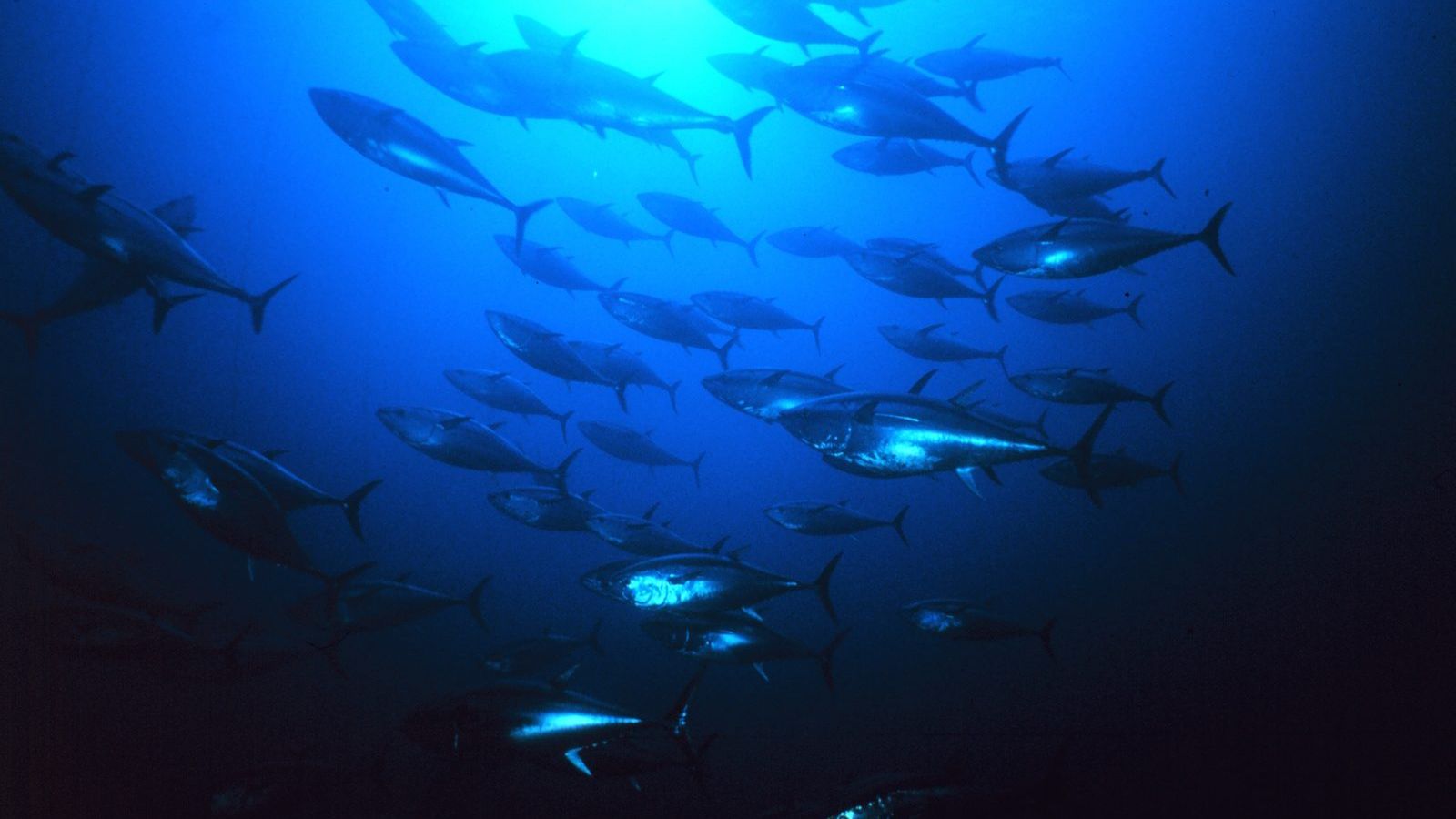
How a tag the size of a thumb tracks a tuna across an ocean
An archival tag inside a tuna records light, depth, and temperature for years. From the length of the day and the time of local noon it works out where the fish was, to within a degree or two.
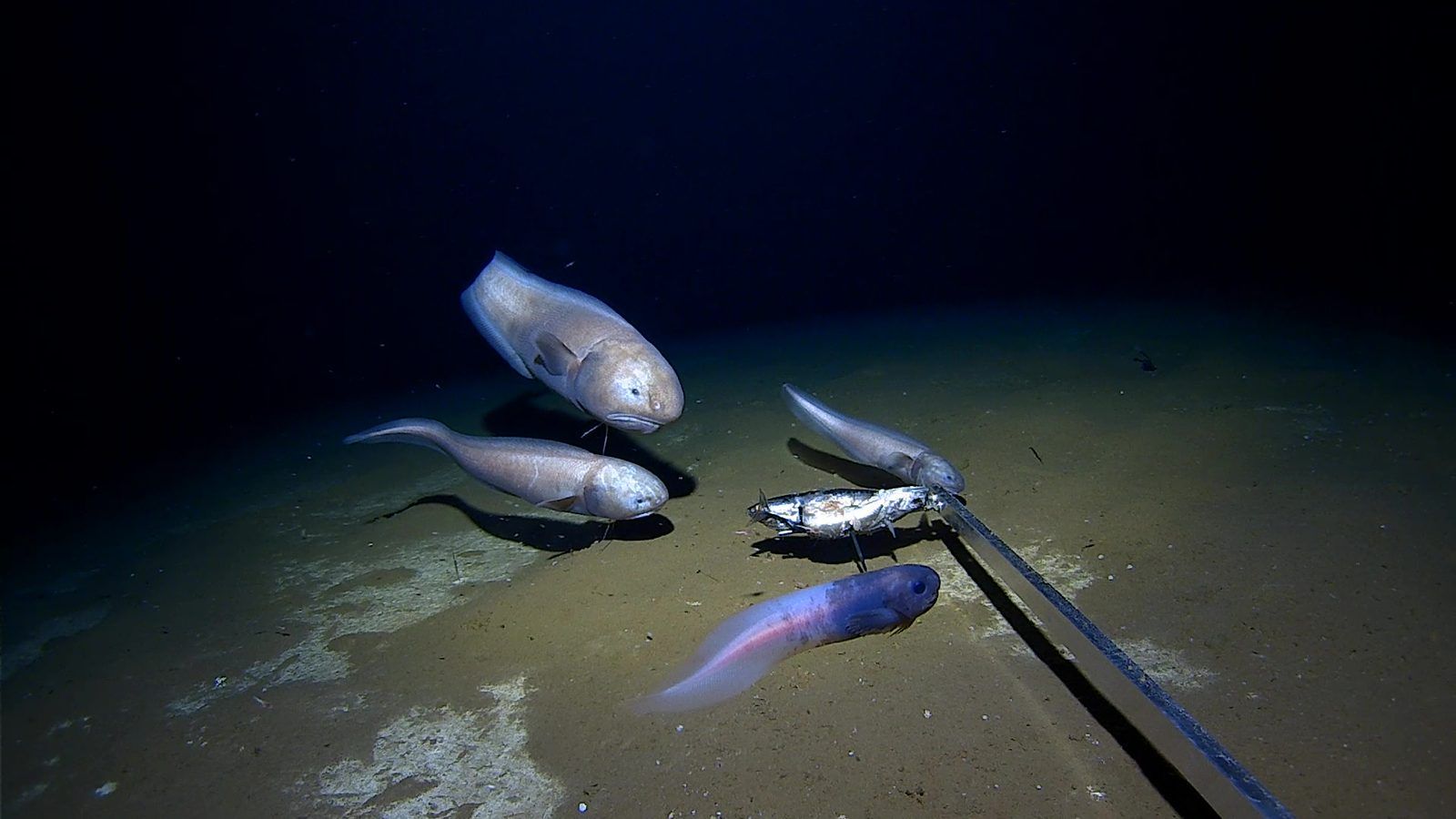
Why no fish has been found below about 8,400 metres
In August 2022 a snailfish was filmed at 8,336 m in the Izu-Ogasawara Trench, the deepest fish ever seen. Deeper water is not empty, but a small molecule in the fish's cells predicts that no fish will be found much lower.
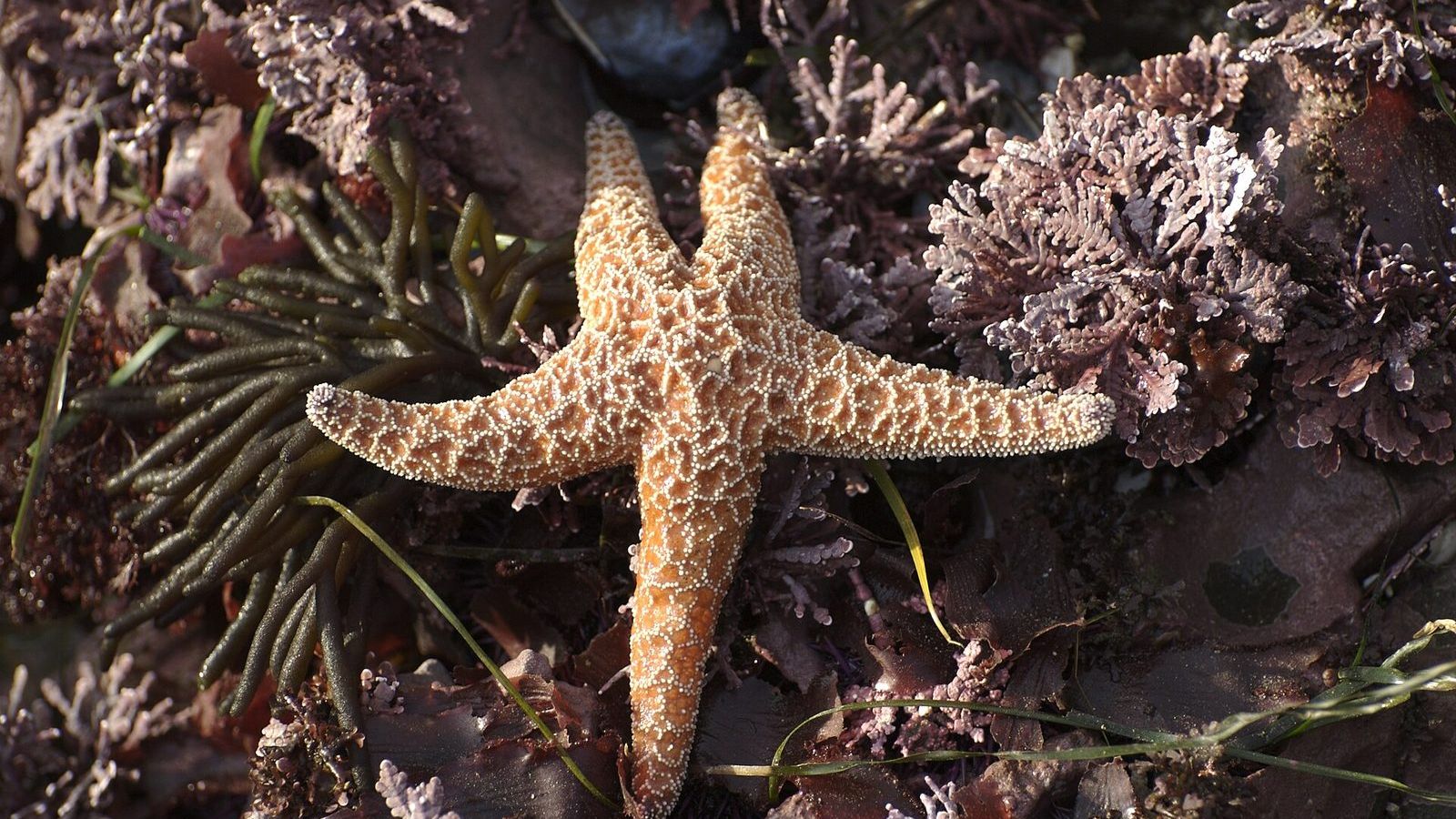
The sea star that taught ecologists what a keystone species is
Between 1963 and 1968 Robert Paine threw every ochre sea star off a stretch of Washington shore and watched what happened. The word keystone, and much of modern ecology, came out of that experiment.
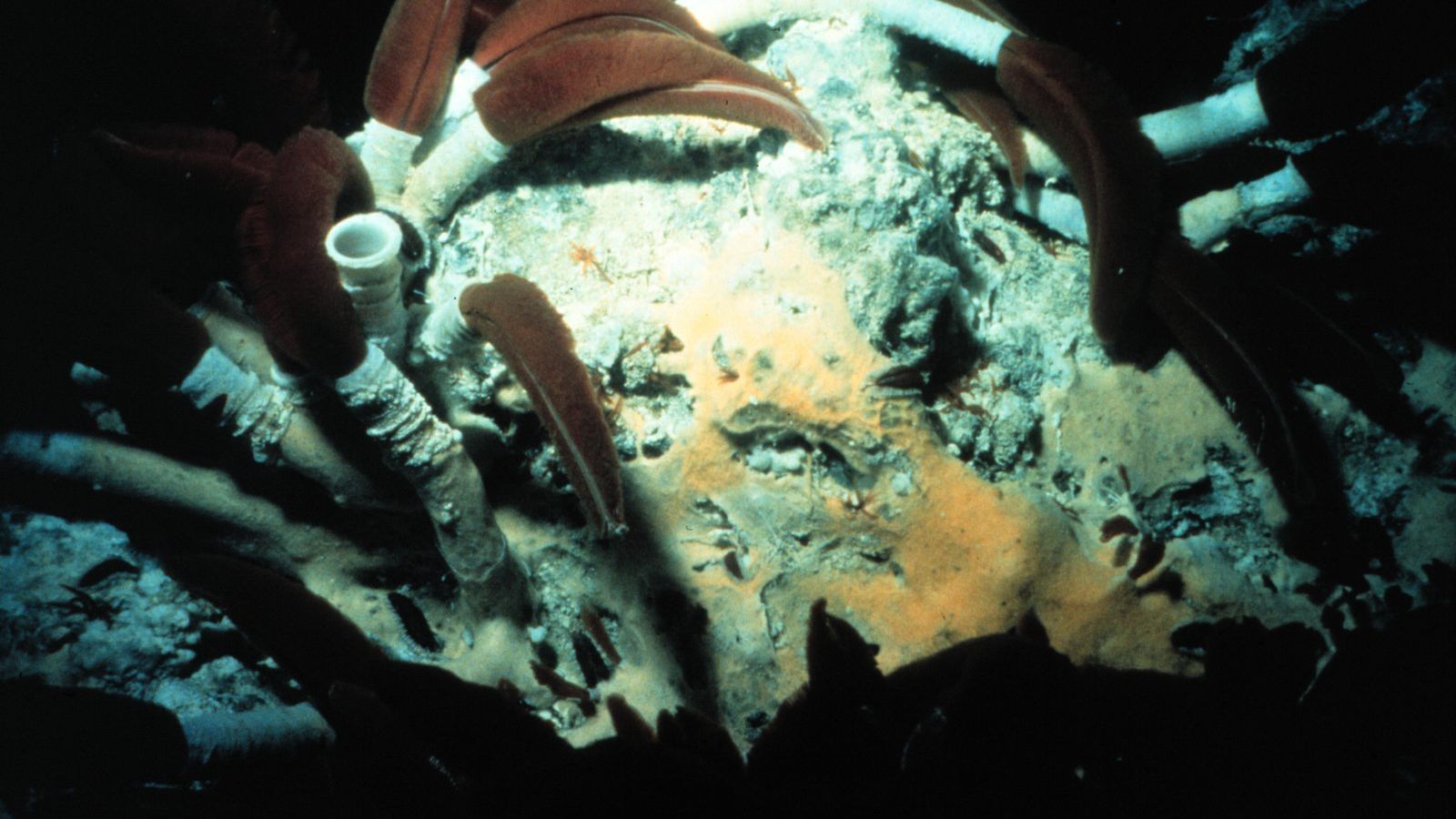
What lives on a hydrothermal vent, and what it eats
In 1977 geologists in a submersible found clams, crabs, and two-metre worms living on hot springs 2,500 m down, where no biologist had predicted life. The worms have no mouth and no gut.