Why do corals bleach and can they recover
When students ask why do corals bleach, the short answer is that corals are under stress, most often from unusually warm water. Bleaching is a warning sign, not a disease in itself. A coral can lose the tiny algae living in its tissues, turn pale or white, and then either recover or die, depending on how severe the stress is and how long it lasts.
Corals are animals, and most reef-building corals live in partnership with symbiotic algae called zooxanthellae, now usually placed in the family Symbiodiniaceae. The coral gives the algae shelter and access to sunlight. The algae give the coral much of the sugar it uses for growth and building skeleton. This partnership is central to coral reef biology, which is covered in the Coral Reef Biology unit. If you want a broader frame for temperature, light, and marine life, the Seawater, Light, and Pressure unit is also useful.
Why do corals bleach when water gets too warm
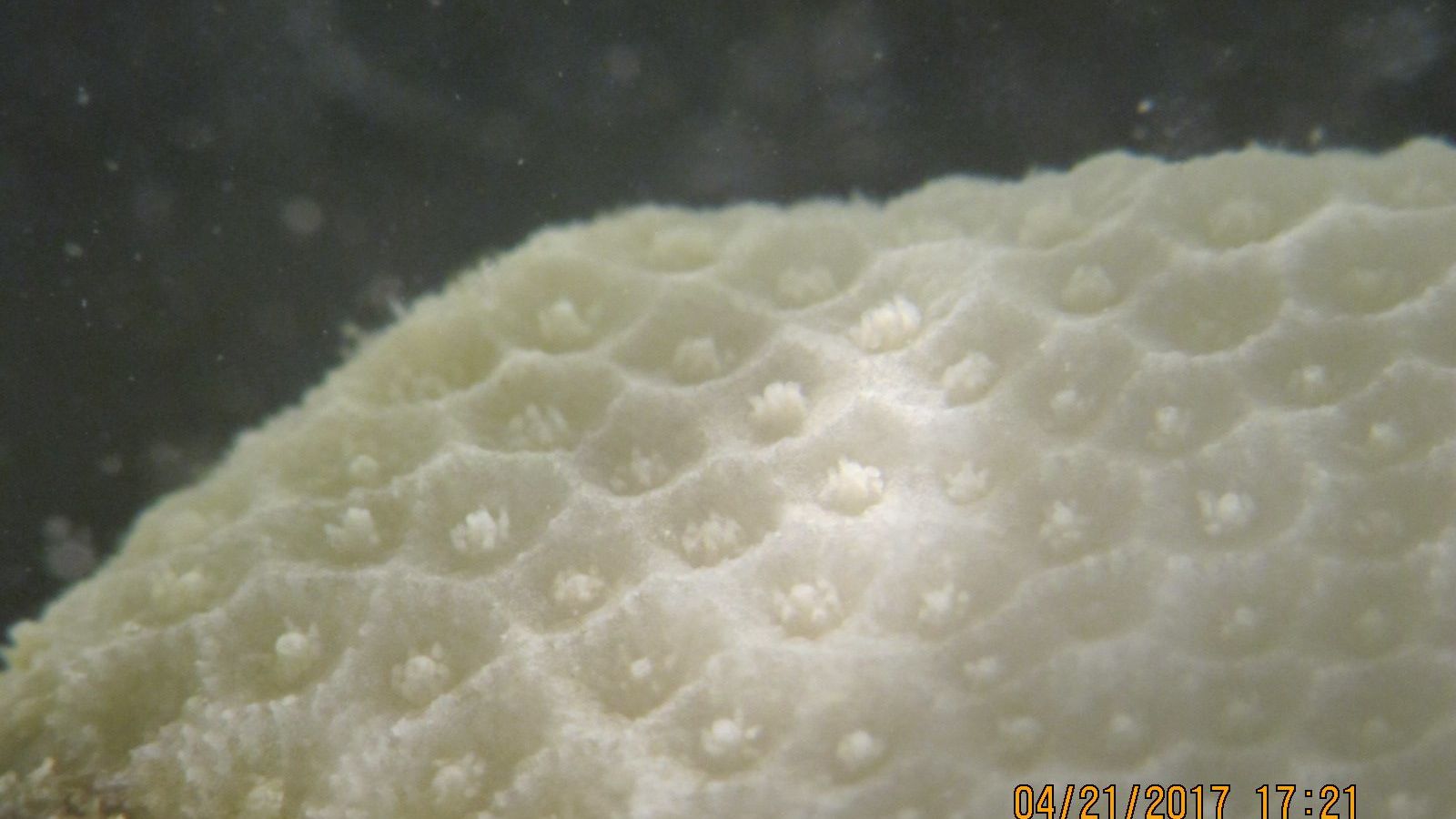
Bleaching usually begins when seawater stays above the coral’s normal temperature range for days or weeks, or when there are short, sharp temperature spikes. Heat disrupts photosynthesis in the symbiotic algae. The algae then produce more reactive oxygen species, which are harmful to both partners. The coral responds by ejecting the algae, digesting them, or shrinking the number of algae inside its tissues. Once those pigmented algae are gone, the coral’s white limestone skeleton shows through.
Heat stress is the main trigger, but it rarely acts alone. A very bright, sunny day can make bleaching worse because light energy adds to the stress on photosynthesis. This is why shallow reefs, clear water, and still conditions can be especially risky. In other words, warm water and strong light can push the same coral over the edge together.
Ocean temperature spikes are becoming more common in marine heatwaves, and that matters because corals can tolerate only limited departures from their usual range. The Coral Reef Watch programme at NOAA tracks bleaching risk from satellite data, using sea surface temperature anomalies and accumulated heat stress. That type of monitoring shows why short extremes and long warm periods both matter.
What happens when the symbiotic algae are lost
Bleaching changes the coral in two ways at once. First, the coral loses colour because the algae are gone or greatly reduced. Second, it loses a major source of energy. A healthy reef-building coral can get a large share of its daily carbon from the algae’s photosynthesis. Without that supply, the coral must rely more on capturing plankton and on its own stored energy.
If the stress ends quickly enough, some corals can take up algae again from the water or allow the remaining population to grow back. Recovery is easier when temperatures fall back to normal, water quality is good, and the coral has enough energy reserves. Recovery can take weeks to months, and sometimes longer. After severe bleaching, growth often slows for a long time even if the coral survives.
Not all algae are the same. Different coral species and even different colonies can host different algal types, and some are more heat tolerant than others. That variation helps explain why one coral patch may bleach heavily while a nearby patch looks less affected.
Why some corals recover while others die
Recovery depends on several well-established factors. Species matters, because some corals are naturally more heat tolerant or more flexible in the algae they host. Size matters too, because smaller or younger colonies may have fewer energy reserves. Depth, water movement, sediment, and pollution can change the outcome. A coral already stressed by low oxygen, disease, or poor water quality has less margin for error.
The length of the bleaching event is especially important. A brief spell of hot water may cause paling and slow growth, yet leave the coral alive. A long heatwave can leave the coral with too little energy to maintain tissue, resist disease, and rebuild its algal population. If a second bleaching event follows before recovery is complete, the odds of survival fall sharply.
Repeated bleaching events have become one of the major concerns for reef science up to 2025. The global bleaching events of 1998, 2010, 2014 to 2017, and the ongoing event first declared in 2023 show that reefs can face stress again before they have fully recovered from the last one. A coral that survives once may still be weakened, and repeated stress can shift a reef toward fewer coral cover, slower growth, and lower species diversity.
Why repeated bleaching events matter for reefs
Bleaching is only the first step in a chain. A bleached coral may survive for a while, but it often grows more slowly and reproduces less. If many colonies bleach at once, reef structure can erode as old skeletons break down faster than new coral grows. Fish and invertebrates that depend on living coral lose shelter and feeding sites.
Scientists use field surveys, temperature records, and satellite observations to estimate how reefs respond over time. The pattern is clear enough to state carefully: reefs exposed to frequent bleaching have less time to recover between events, and that reduces the chance of long-term persistence. Protection from local stressors, such as overfishing and poor water quality, can improve resilience, but it cannot stop heat stress on its own.
Some reefs do show signs of adaptation or acclimatisation. Corals in warmer places may have higher heat tolerance, and some hosts and symbionts appear better suited to heat than others. Even so, there are limits. If ocean warming continues and heat extremes keep returning, tolerance alone may not be enough for many reef systems.
For a wider view of how temperature changes affect marine life, see How marine heatwaves affect ocean life, and for the science of light in seawater, read How deep does sunlight go in the sea? You can also explore What happens inside a coral when it bleaches for a more detailed look at the cell biology.
These ideas fit directly into the Marine Biology Masterclass unit Coral Reef Biology, where coral structure, symbiosis, and reef ecology are covered in more depth.
Frequently asked questions
Does a bleached coral mean the coral is dead
No. Bleaching means the coral has lost most of its symbiotic algae or pigments. Some bleached corals recover if conditions improve, but prolonged stress can kill them.
Can corals bleach in winter
Yes, if the water is warmer than normal for that place and time of year, or if another stressor is involved. The key issue is abnormal heat relative to local conditions, not the calendar alone.
Can shading help corals during bleaching
Shading can reduce light stress in small, local settings, such as experimental work or nursery systems. It cannot solve the underlying cause when large reefs are affected by marine heatwaves.
Sources: NOAA Coral Reef Watch on bleaching risk, https://coralreefwatch.noaa.gov/; NASA on coral bleaching and heat stress, https://earthobservatory.nasa.gov/; Nature Reviews Earth & Environment on coral bleaching and climate stress, https://www.nature.com/; NOAA Fisheries and coral reef science resources, https://www.fisheries.noaa.gov/