

Marine Biology Masterclass Blog
Explanations, background, and advice for curious students.
Latest articles
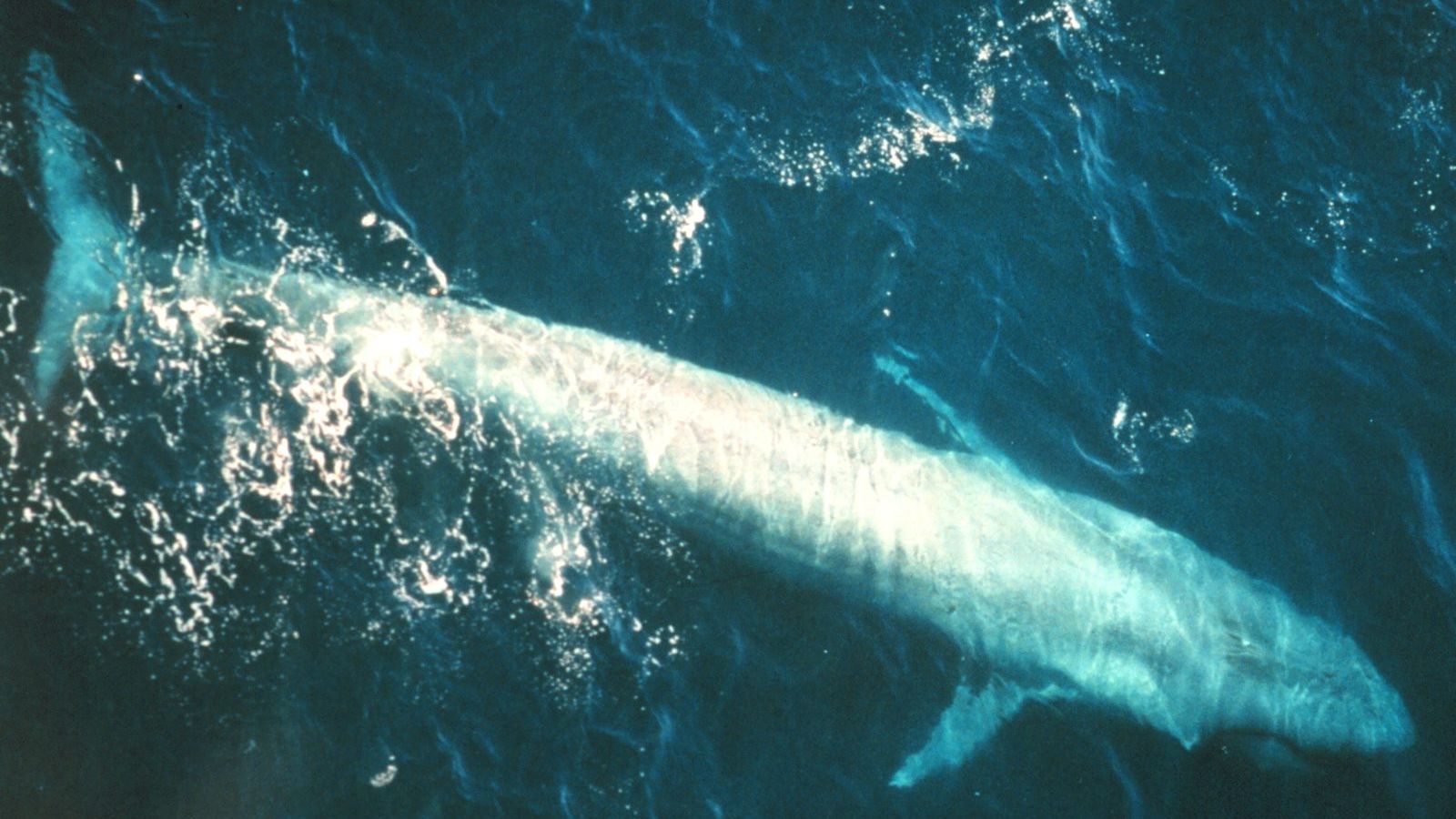
How a blue whale's heart beats twice a minute
In 2019 a suction-cup tag recorded the first electrocardiogram of a blue whale. At depth its heart slowed to two beats a minute, and the numbers suggest the largest animal is close to a physiological limit.
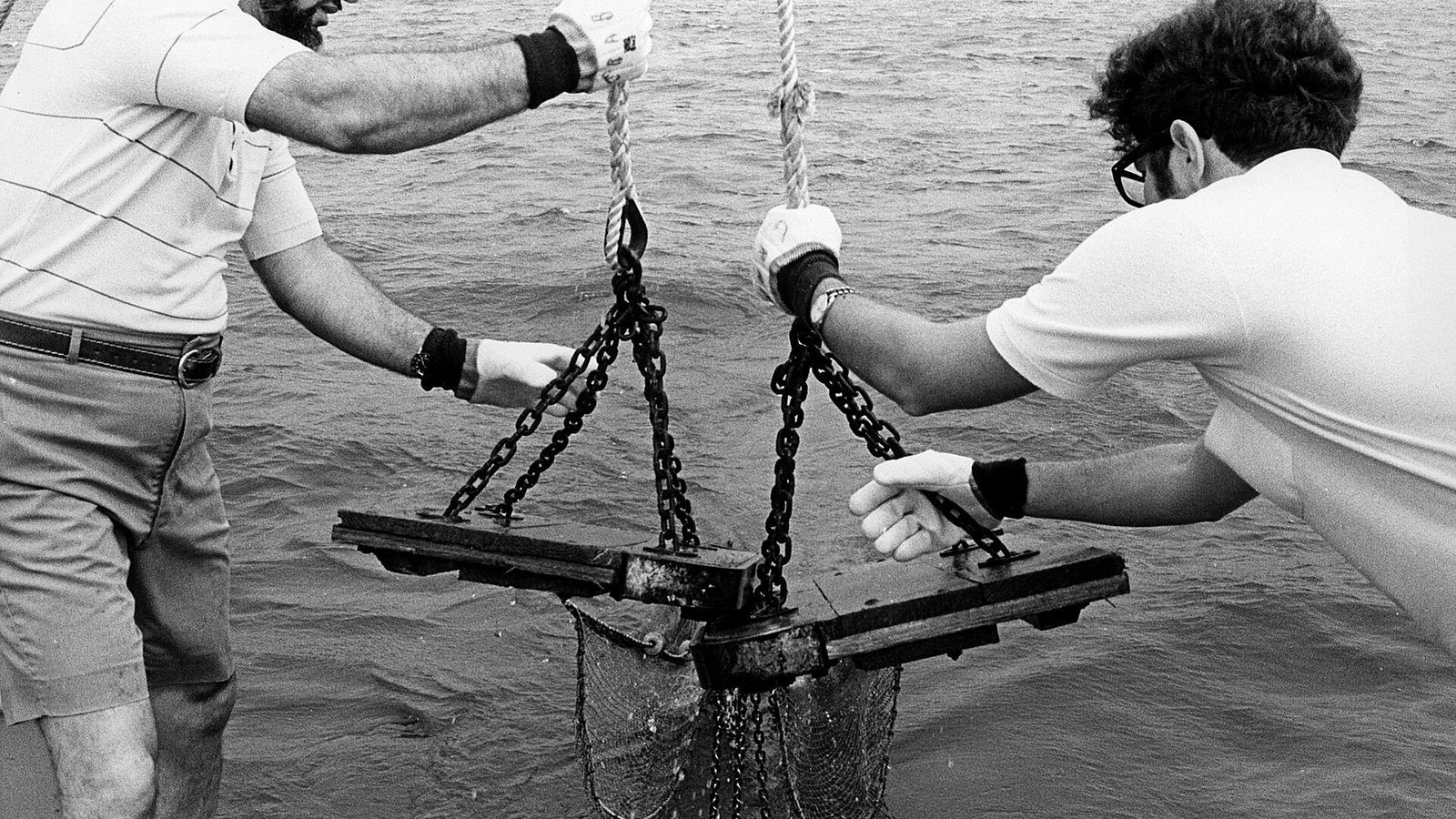
How scientists count fish they cannot see
Nobody can count the cod in the North Atlantic. Fisheries scientists estimate them from surveys, catch records, and models, and in 1992 the estimate for Newfoundland turned out to be badly wrong.
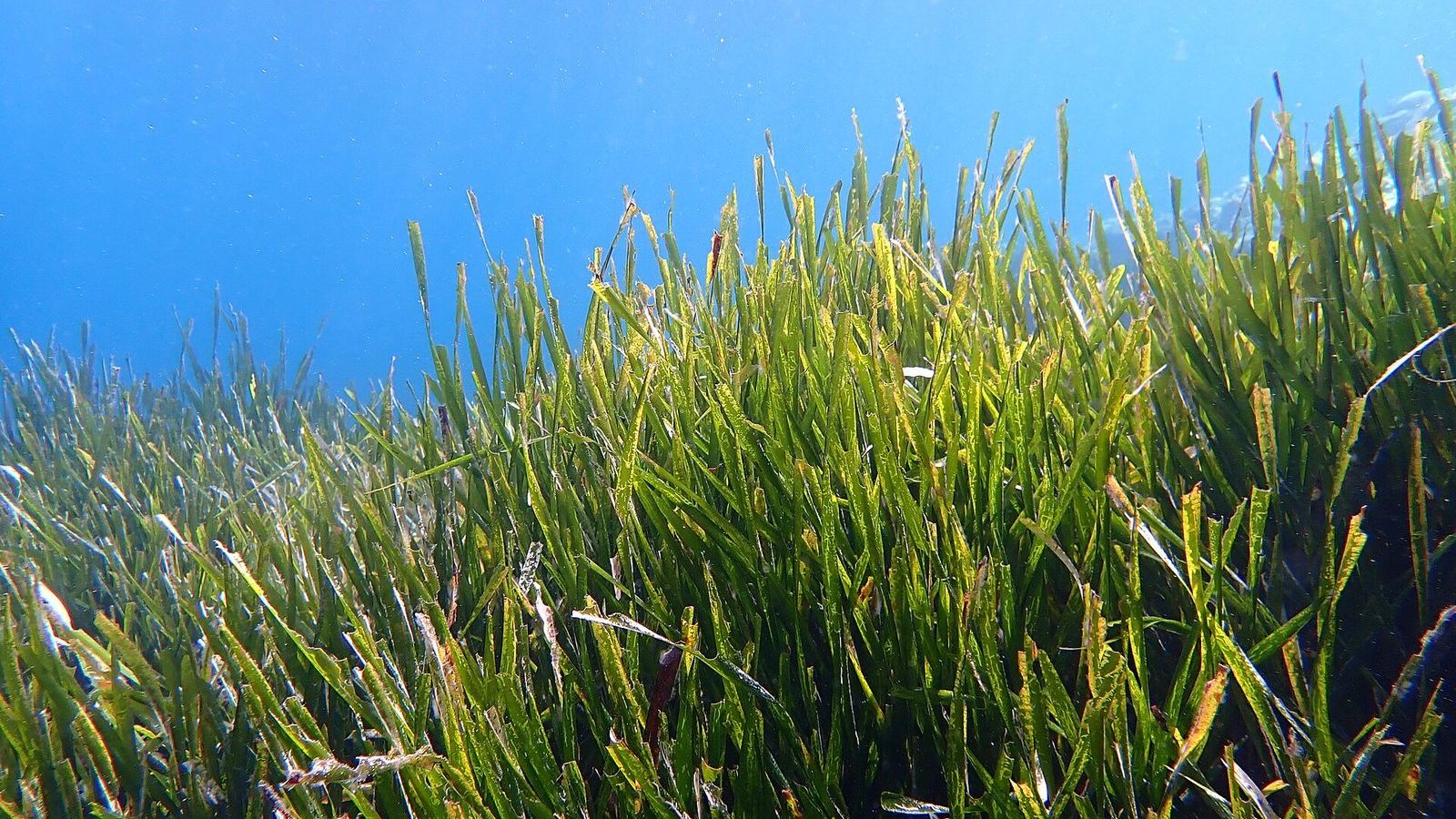
What is a seagrass, and why is it not a seaweed?
Seagrasses are flowering plants that went back to the sea. Their meadows feed turtles and dugongs, shelter young fish, and bury carbon faster than a forest, and about a third of them are gone.
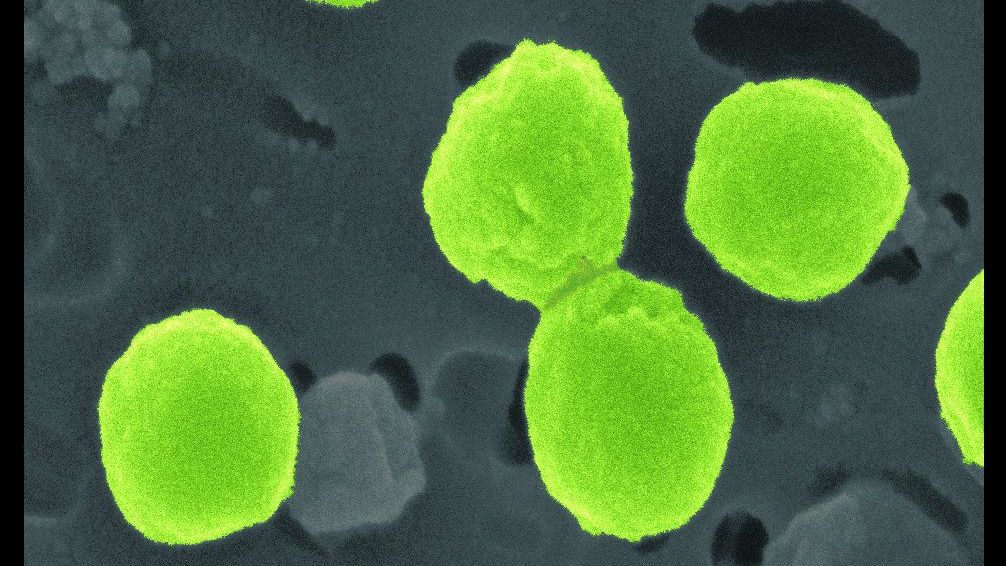
How the ocean's most abundant photosynthetic cell went unnoticed until 1988
A cell too small for a microscope and too dim for a net, found on a research cruise with an instrument built to count blood cells. There are about three thousand trillion trillion of them.
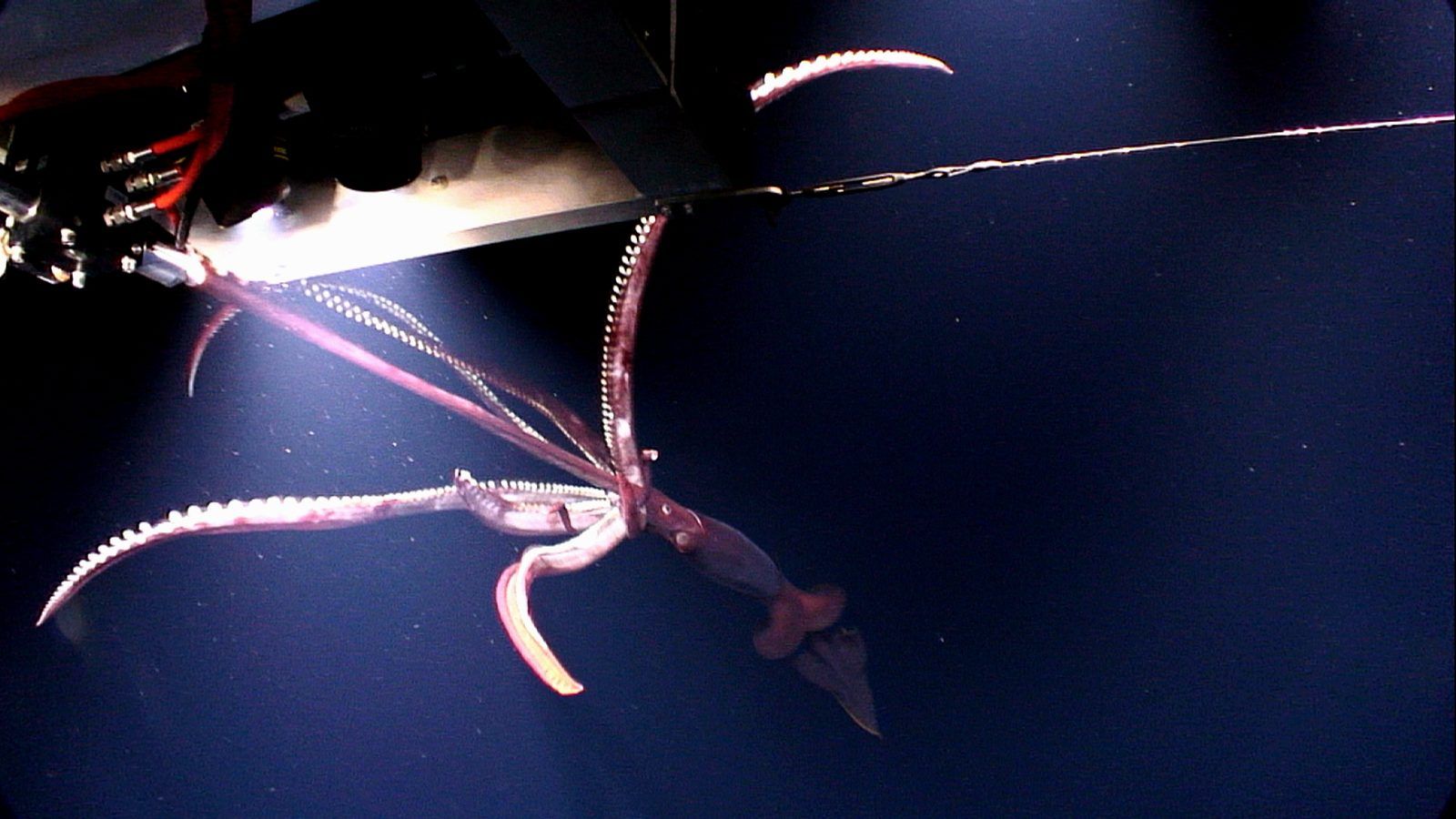
The largest migration on Earth happens every night
Every evening billions of tonnes of small fish, krill, and squid rise hundreds of metres towards the surface, and every dawn they go back down. Sonar found them by accident in 1942.
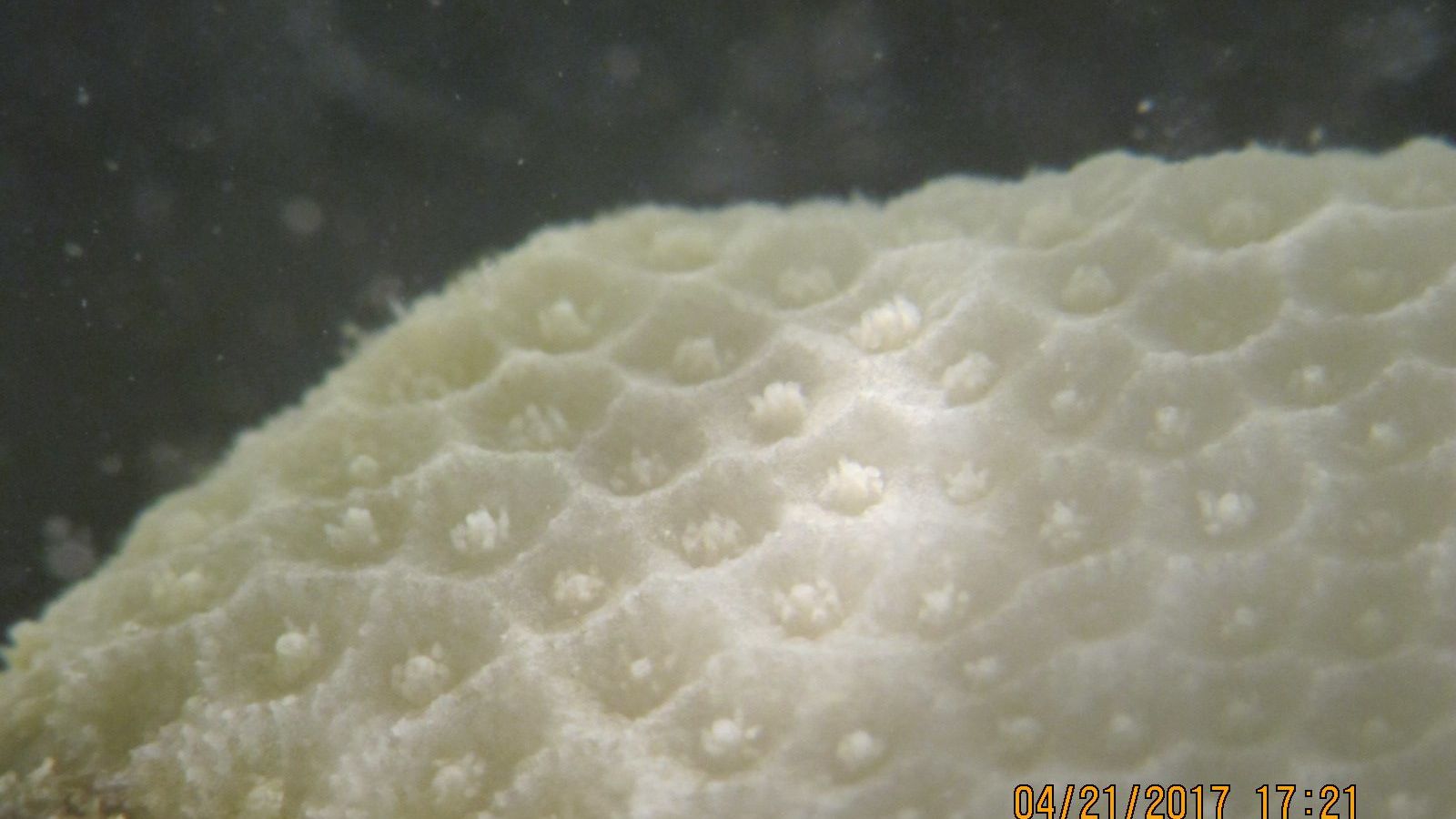
What happens inside a coral when it bleaches
A bleached coral is a living animal that has lost its lodgers. What heat does to the partnership, how a temperature record becomes a bleaching forecast, and how long recovery takes.
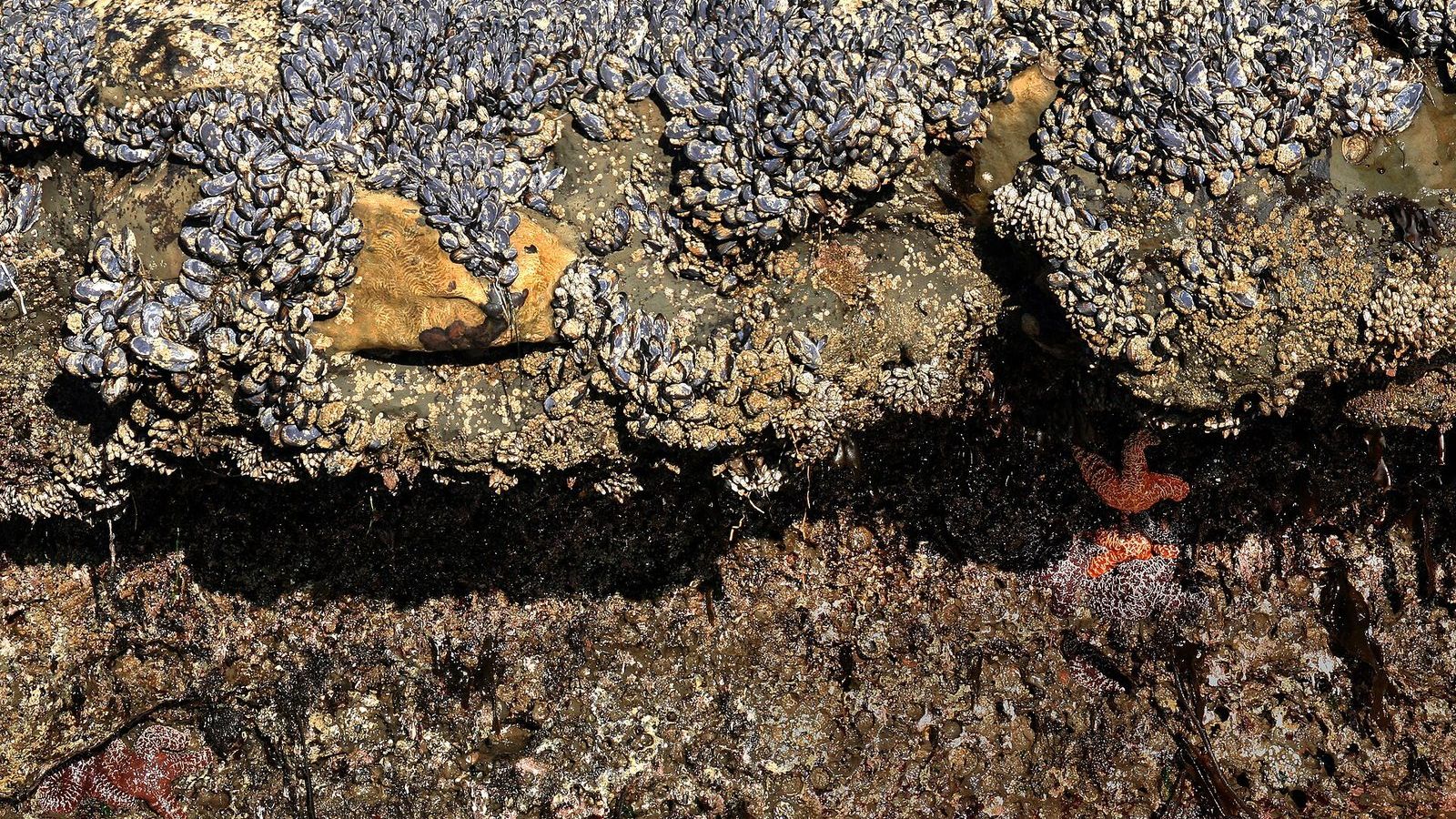
How to start learning marine biology in high school
The subjects that matter, the competitions, the first field project you can do on any shore, the free databases professionals use, and what a university admissions tutor actually looks for.
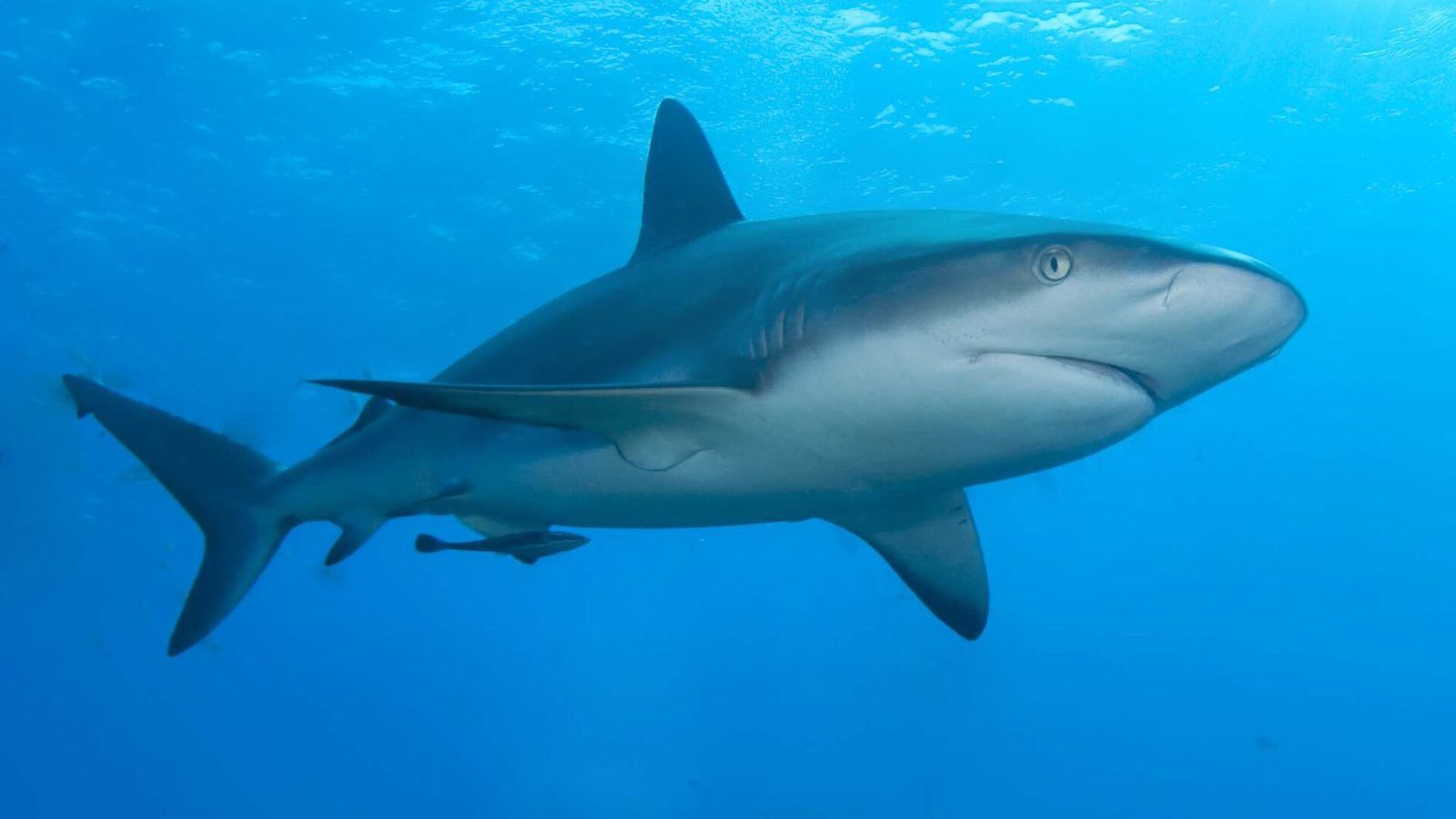
Why a shark does not drink seawater and a tuna does
Seawater is three times saltier than the blood of a tuna. The tuna solves the problem by drinking, the shark by turning its own blood into something nearly as salty as the sea. Here are the numbers.
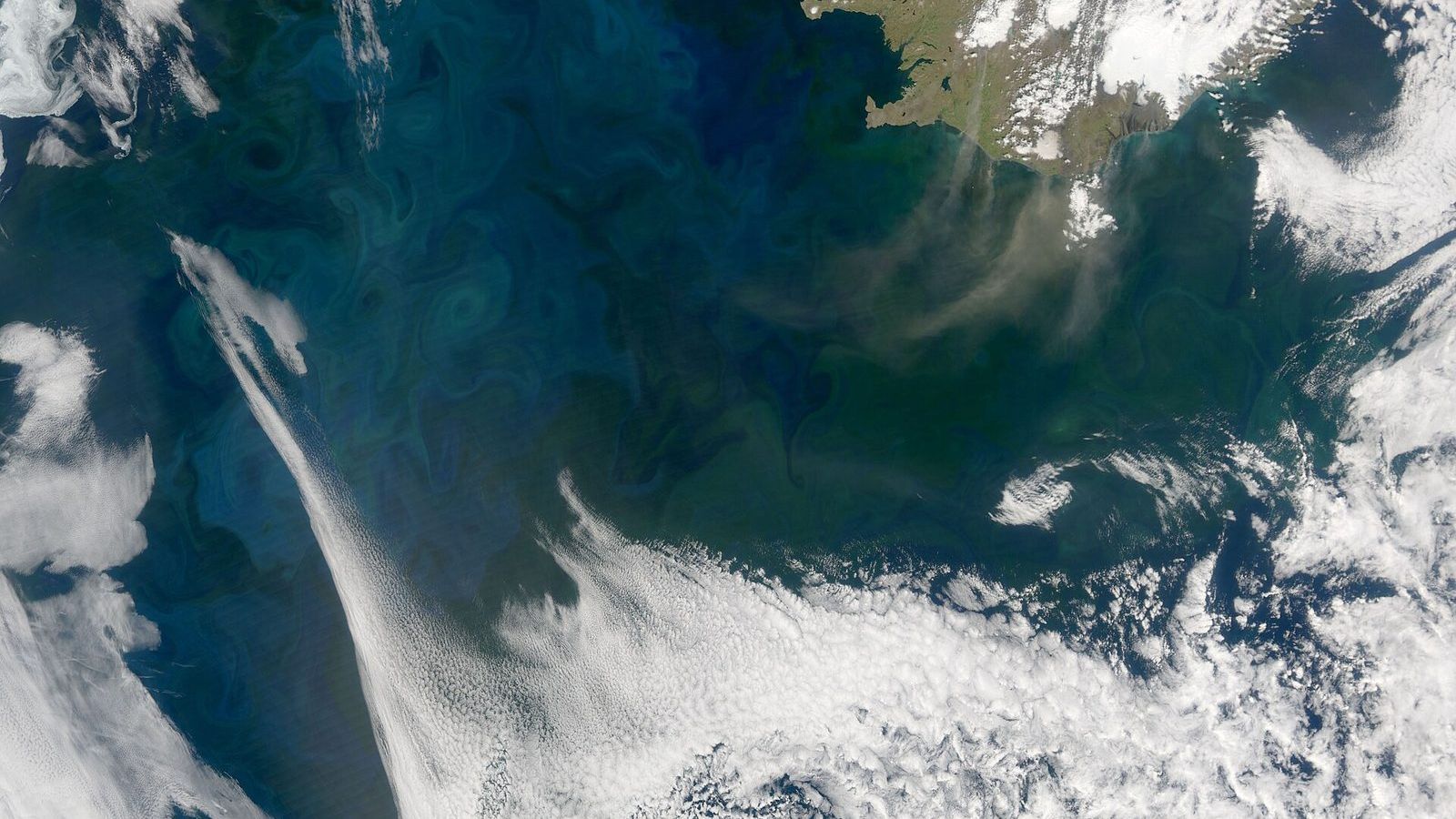
Why the North Atlantic turns green every spring
Every year between March and June a bloom of phytoplankton sweeps north across the Atlantic, visible from space. The classic explanation dates from 1953. A newer one says the bloom begins in the dark of winter.